Creative Storage Cabinet Ideas for Multi-Purpose Rooms
Multi-purpose rooms have become an essential part of modern homes. One room may need to function as a home office during the day, a study area in the afternoon, and a hobby or guest space in the evening. The challenge is keeping all these activities organized without making the room feel crowded. Smart furniture choices can solve this problem by combining practical storage with an attractive appearance.
The right cabinets and shelving can create dedicated zones without requiring permanent walls or complicated renovations. Instead of allowing paperwork, books, equipment, and personal belongings to compete for the same surfaces, thoughtful organization gives everything a defined place. From flexible shelving to compact filing solutions, these ideas can help transform an ordinary multi-purpose room into a more functional and comfortable environment.
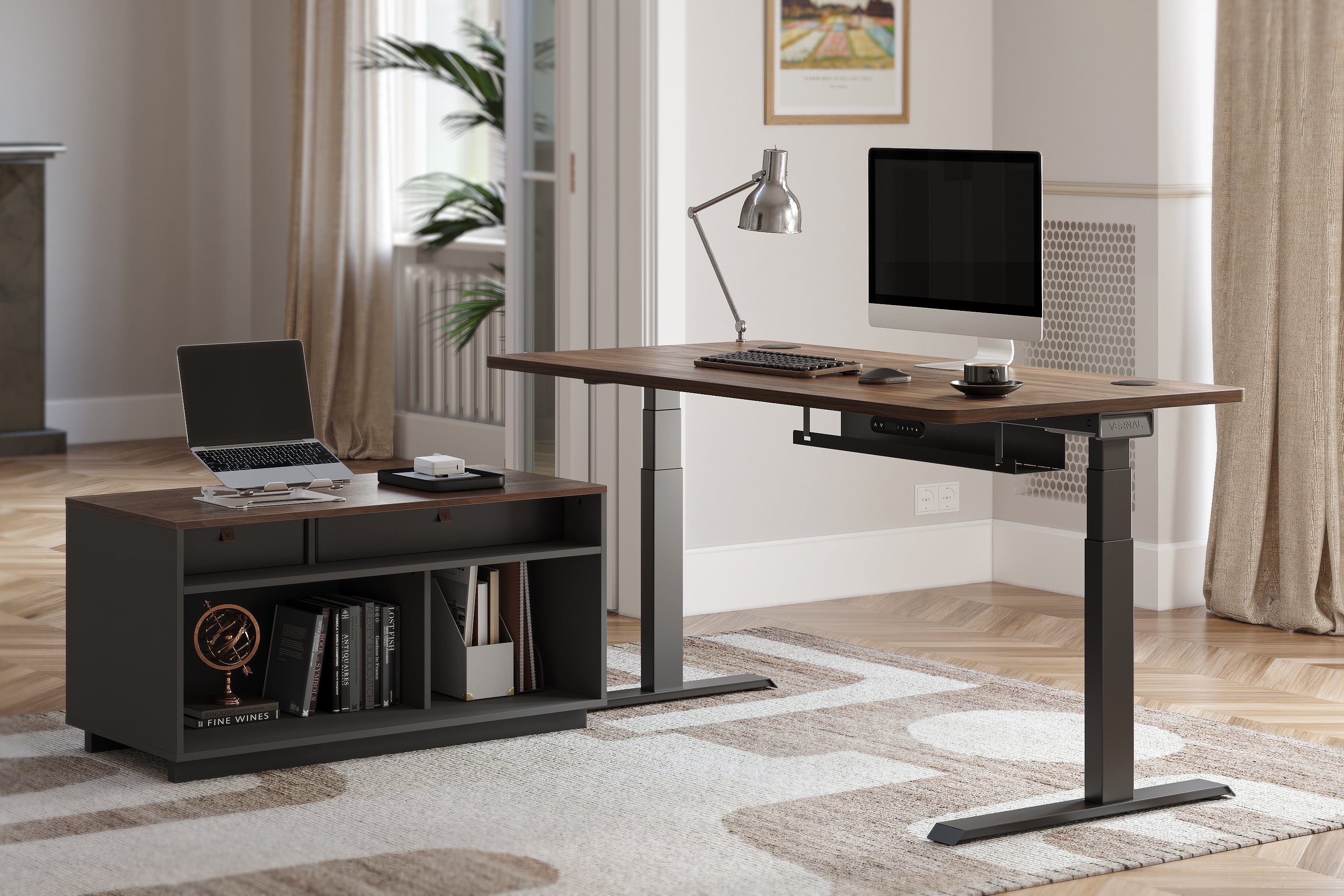
Build a Flexible Display Area with a Wood Bookcase
A wood bookcase is an effective starting point for organizing a multi-purpose room because it combines vertical storage with a warm, residential appearance. Its shelves can accommodate books, baskets, decorative objects, office supplies, and hobby materials without consuming much floor space.
Use the lower shelves for heavier or less frequently accessed items, while keeping everyday materials within easy reach. Decorative objects can occupy a few upper shelves to make the room feel intentional rather than purely functional. Matching baskets or containers can also conceal small items and prevent visual clutter.
When selecting a shelving unit, consider the room's ceiling height, available wall width, and surrounding furniture. A proportional piece will provide useful capacity without overwhelming the space.
Choose a Bookcase with Storage for Shared Spaces
A multi-purpose room benefits from furniture that can serve several functions simultaneously. A bookcase with storage can provide open shelving for frequently used materials while offering enclosed or compartmentalized areas for belongings that should remain out of sight.
This arrangement works particularly well when a room has different users. Office documents can occupy one section, books another, and craft or entertainment supplies another. Establishing these zones makes it easier for everyone to return items to the correct location.
For a cleaner appearance, avoid filling every shelf completely. Leaving some open space creates visual balance and makes frequently used objects easier to identify.
Make Storage Work Vertically
When floor area is limited, vertical organization can make a dramatic difference. Tall cabinets and shelving take advantage of unused wall space while leaving more room available for desks, chairs, exercise equipment, or other flexible furniture.
Think about storage in layers. Frequently used belongings should be positioned between waist and eye level. Items that are accessed occasionally can be placed higher, while heavier objects should remain closer to the floor. This simple approach improves convenience and makes better use of every available section.
Labels can further improve organization. Clearly identifying boxes, baskets, and compartments reduces the time spent searching for supplies and makes it easier to maintain the room after busy days.
Organize Documents with Filing Cabinets for Home Office
Paperwork can quickly take over a multi-purpose room, particularly when a dining area or guest room also serves as a workspace. Filing cabinets for home office use provide a dedicated location for invoices, contracts, receipts, project documents, and other important records.
Divide documents into practical categories instead of creating an overly complicated filing system. Possible categories include financial records, household administration, work projects, warranties, and reference materials. Each category should have a clearly defined location so documents can be filed immediately after use.
For households that share the workspace, consider separating personal and professional documents. This prevents unrelated paperwork from becoming mixed together and makes important records easier to retrieve.
Save Floor Space with an Under Desk File Cabinet
Not every room has enough space for a large standalone filing unit. An under desk file cabinet can make use of otherwise unused space beneath or beside a work surface. This arrangement keeps important paperwork close while preserving valuable floor area.
It is particularly useful for compact work zones where efficiency matters. Frequently referenced documents can remain nearby, while archived materials can be moved to larger cabinets elsewhere in the room.
Before choosing a compact filing unit, measure the clearance beneath the desk and consider legroom, drawer movement, and chair placement. A storage solution should improve the workspace rather than make movement uncomfortable.
Use a Lateral File Drawer for Wider Documents
A lateral file drawer offers another option when a room needs organized document capacity without relying entirely on tall furniture. Its horizontal orientation can work well against a wall, beneath artwork, or alongside a desk.
Because filing furniture can also contribute to the visual design of a room, select a finish and size that complement the surrounding furniture. Keep the top surface relatively clear so it does not become another accumulation point for papers and miscellaneous objects.
A useful strategy is to reserve the most accessible sections for active documents and use less convenient areas for records that are rarely needed.
Protect Important Items with a Lockable Storage Cabinet
Some multi-purpose rooms contain documents or personal items that should not be freely accessible. A lockable storage cabinet can provide an additional layer of organization and privacy for sensitive paperwork, small valuables, equipment, or household records.
Rather than locking everything away, use secure compartments selectively. Items that require regular access should remain convenient, while confidential or valuable materials can be kept in a controlled section.
This approach is especially practical in rooms that are shared with children, guests, or multiple household members. It allows the space to remain versatile without compromising access control.
Create Adaptable Zones with a Modular Bookcase
A modular bookcase is ideal for rooms that may change purpose over time. Instead of committing to one permanent arrangement, modular furniture can help create different configurations as household needs evolve.
For example, a shelving system can initially support a home office, with sections allocated to books, supplies, and paperwork. Later, the same arrangement can be adjusted to accommodate children's learning materials, hobby equipment, or guest-room essentials.
Flexible furniture is particularly valuable in smaller homes because it reduces the need to purchase completely new pieces whenever the room's purpose changes. Modular components can also help divide functional zones visually without blocking natural light or making the room feel enclosed.
Combine Furniture for a More Cohesive Room
The most effective multi-purpose rooms rarely depend on a single furniture type. Instead, they combine shelving, filing solutions, cabinets, and open surfaces according to the user's habits. A bookcase can handle reference materials, a filing unit can manage paperwork, and cabinets can conceal supplies or equipment.
Try grouping furniture by activity. Place document-related pieces near the desk, reading materials near a comfortable chair, and hobby supplies close to the area where those activities take place. This reduces unnecessary movement and creates natural zones within the same room.
Color, finish, and proportions also matter. Furniture that shares complementary characteristics will make the room feel unified even when each piece performs a different function. Avoid mixing too many visual styles, especially in compact spaces.
Keep the System Easy to Maintain
The best organization system is one that remains useful after the initial cleanup. Avoid assigning every item a highly specific location if that makes daily tidying difficult. Instead, create broad categories that household members can understand immediately.
Set aside a few minutes each week to return misplaced items, remove unnecessary paperwork, and reassess frequently used storage areas. If one cabinet constantly becomes overcrowded, that is a sign that its category or capacity needs to be reconsidered.
Ultimately, successful organization is about creating a room that adapts to real life. With thoughtfully selected cabinets, vertical shelving, dedicated filing areas, and flexible furniture, a multi-purpose room can support work, study, hobbies, and everyday living without becoming overwhelmed by clutter.


Comments
Post a Comment